
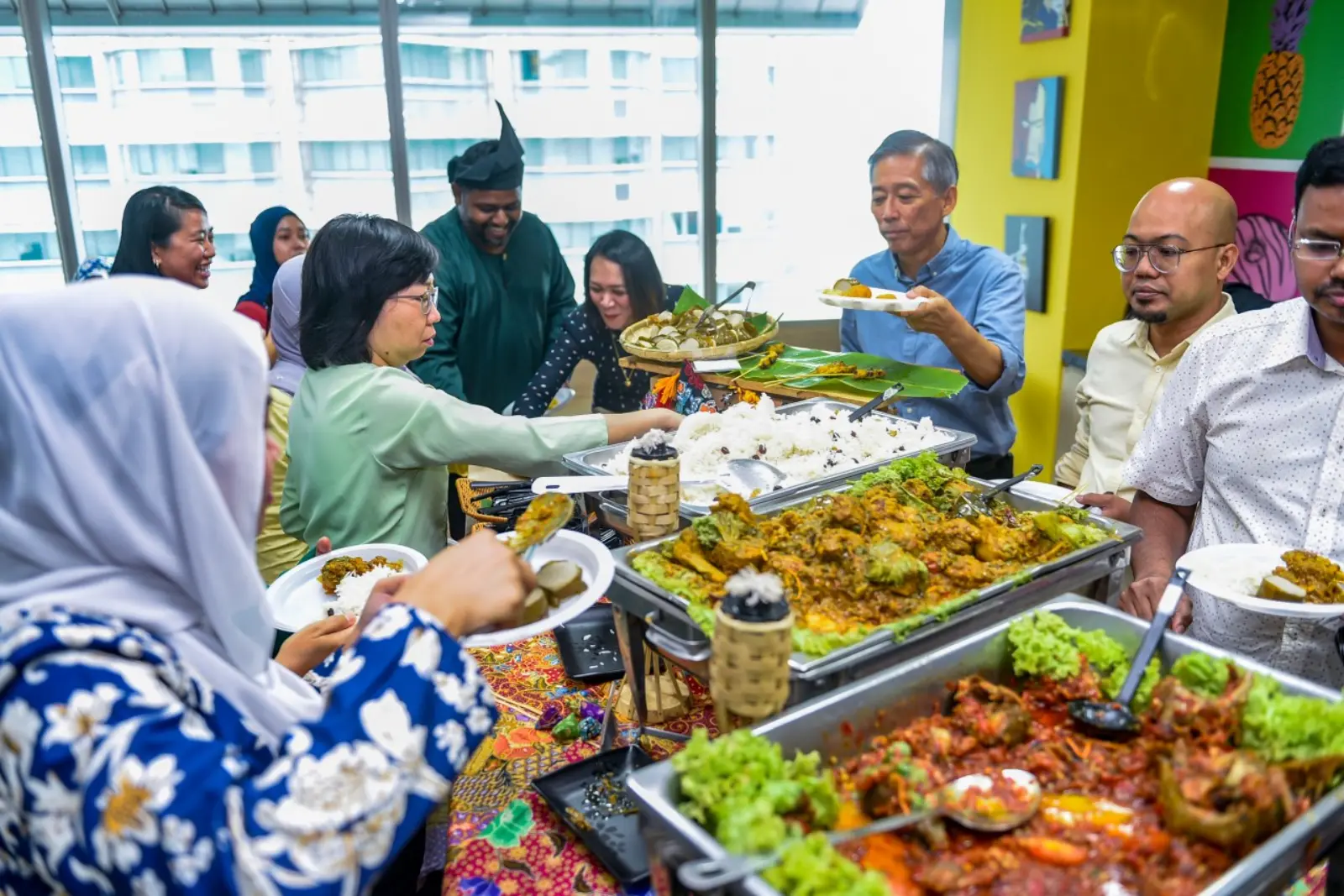
Planning an event involves many crucial decisions, and one of the most important aspects is catering. When considering the dietary needs and preferences of your guests, halal catering stands out as an excellent choice for ensuring inclusivity and satisfaction. Whether you are organizing a wedding, corporate event, or family gathering, understanding the basics of halal catering can help you create a memorable and respectful dining experience for everyone. Here’s everything you need to know about halal catering for your next event.
1: What is Halal Catering?
The term “halal” means “permissible” in Arabic and refers to what is allowed under Islamic law. Halal catering ensures that all food and beverages comply with these dietary guidelines. This includes the sourcing, preparation, and handling of food. For meat to be considered halal, it must come from an animal prepared according to specific religious practices, known as “dhabiha.” This process involves prayer and a swift, humane method performed by a qualified Muslim meat supplier. In addition to meat, halal guidelines also prohibit the consumption of certain items, such as alcohol and pork products, ensuring that the food provided is fully compliant with Islamic dietary laws.
2: Why Choose Halal Catering?
Choosing halal catering for your event ensures that all your guests, including those who observe Islamic dietary laws, enjoy their meals without concern. This choice shows respect for their beliefs and promotes inclusivity, making everyone feel welcome and valued. Halal certification involves stringent standards for hygiene and food safety, which translates to higher-quality meals that meet rigorous health and cleanliness criteria. Additionally, halal catering goes beyond Middle Eastern cuisine; many catering companies offer a diverse array of dishes from various cultures, all prepared by halal guidelines. This diversity allows for a rich and varied dining experience, making halal catering an excellent choice for any event.
Halal catering ensures ethical and humane treatment of animals, emphasizing practices that aim to minimize their pain and distress. When performed correctly, the halal method respects animal welfare, which can be important for guests who are conscious about ethical food sourcing. Additionally, choosing halal catering demonstrates a commitment to accommodating diverse dietary needs and cultural practices, enhancing the overall image of your event and showing consideration for all your guests.
3: What to Look for in a Halal Caterer
When choosing a halal caterer, ensure they have a recognized halal certification, guaranteeing that all food items and preparation methods comply with halal standards. Ask for proof of certification and any relevant documentation without hesitation. A good halal caterer offers a variety of menu options and is willing to customize dishes to suit your event’s theme and your guests’ preferences. Whether you prefer traditional dishes or a fusion of cuisines, flexibility is key. Additionally, select a caterer with a solid track record and positive reviews. Experienced halal caterers understand the nuances of halal food preparation and provide exceptional service.
It’s also important to consider the caterer’s experience with events similar to yours. Whether it’s a large corporate function, an intimate family gathering, or a grand wedding, the caterer should have relevant experience to handle the specific requirements of your event. Ask for references or testimonials from past clients to get a sense of their reliability and quality of service. Additionally, a good halal caterer should be transparent about their sourcing practices, ensuring that all ingredients used are halal-certified.
4: Tips for a Successful Halal Catering Experience
To ensure a successful halal catering experience, communicate clearly with your caterer. Discuss your requirements and expectations well in advance. Make sure they understand the scope of your event, the number of guests, and any specific dietary restrictions or preferences. Offer a diverse selection of appetizers, main courses, and desserts, including both meat and vegetarian options, to cater to all dietary needs. Focus on food presentation to enhance the dining experience, working with your caterer to ensure that the dishes are not only delicious but also visually appealing. Finally, consider other dietary restrictions your guests might have, such as gluten-free, dairy-free, or vegan options, to ensure that all guests enjoy the meal.Planning the logistics of food service is equally important. Ensure that the caterer can accommodate the schedule of your event, providing timely delivery and setup. Discuss the layout of the dining area and how the food will be served, whether it’s a buffet, plated service, or family-style dining. Clear coordination with the caterer on these details can prevent any last-minute issues and ensure a smooth dining experience for your guests. Additionally, consider incorporating some interactive elements, such as live cooking stations or chefs explaining the dishes, to add an engaging touch to your event.
In conclusion, choosing halal catering for your event ensures that all guests can enjoy delicious, ethically prepared meals that comply with Islamic dietary laws. Opting for a reputable halal caterer guarantees an inclusive, high-quality, and memorable dining experience. As you plan your next event, remember these tips to create a successful and enjoyable gathering. Trust RunningMen Catering to provide exceptional service and foster an environment where learning and networking flourish. Click here to learn more about RunningMen Catering.