Steps to Successful Buffet Catering for Large Events
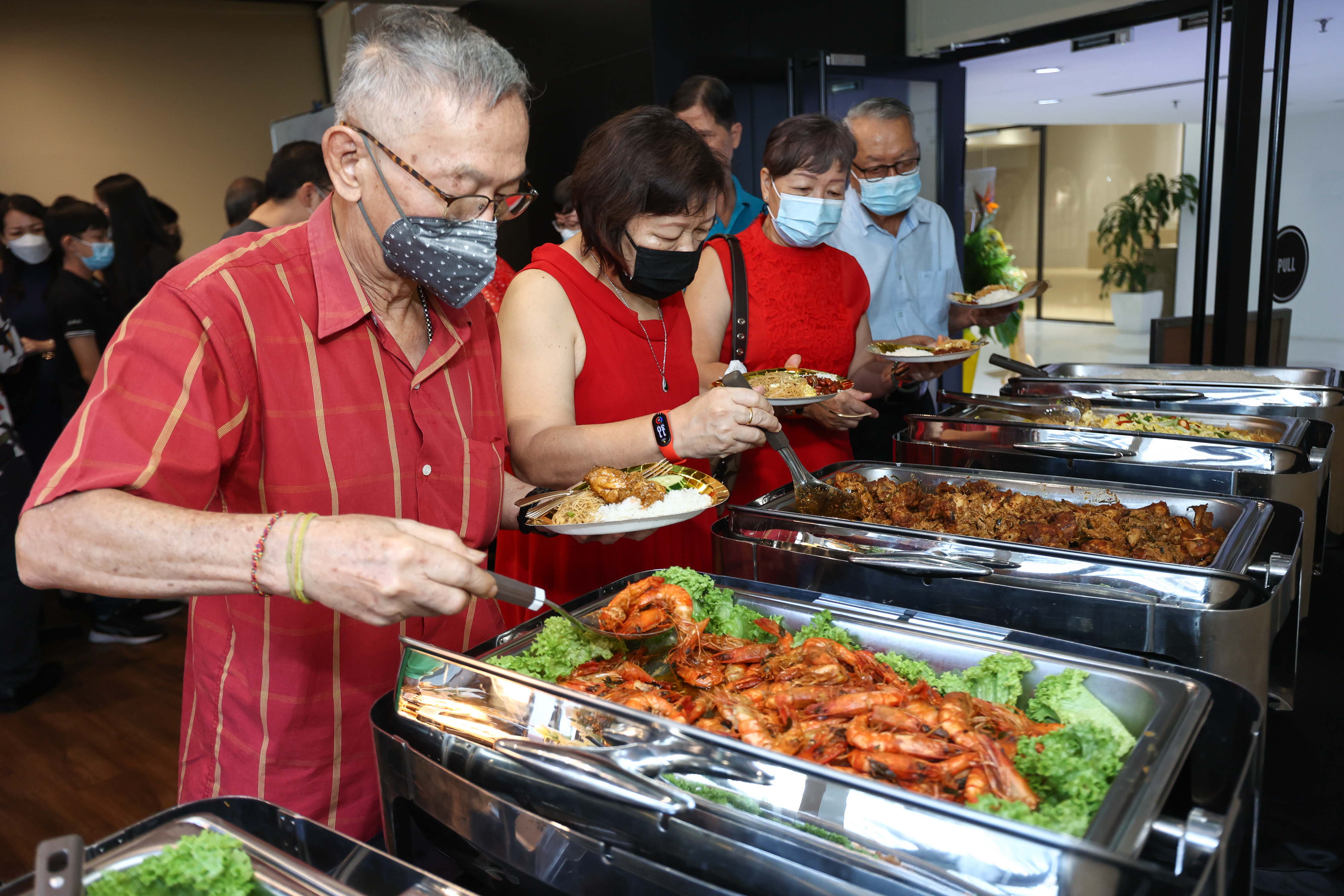
Catering for large gatherings can be both exciting and challenging. However, with the right planning and execution, a buffet can be the perfect way to serve a large crowd efficiently and deliciously. Here are some essential tips to ensure your buffet catering for large gatherings is a success.
1: Plan Your Menu Carefully
First of all, planning your menu carefully is crucial. Consider offering a variety of dishes that cater to diverse tastes and dietary needs. Include vegetarian, vegan, gluten-free, and allergy-friendly options to ensure all guests can enjoy the meal. Also, balance your menu with appetizers, main courses, sides, and desserts. Make sure there’s a mix of hot and cold items to add variety and interest. Moreover, take into account the season and the type of event to select appropriate dishes.

2: Estimate Quantities Accurately
Secondly, accurately estimating food quantities is essential to avoid running out of food or having excessive leftovers. Typically, plan for 1 to 1.5 pounds of food per person. Adjust this based on the type of event, the time of day, and the guest profile. For instance, younger crowds may eat more than older guests. Additionally, always prepare a little extra to be safe. Furthermore, keeping a record of previous events can help you better estimate future needs.

3: Optimize Your Buffet Layout
Next, optimizing the layout of your buffet can significantly impact the flow of the event. Ensure there’s enough space for guests to move around comfortably. Arrange food stations strategically to avoid bottlenecks. For example, place appetizers and salads at the beginning, main courses in the middle, and desserts at the end. Moreover, use separate stations for drinks and desserts to keep the lines moving smoothly. Also, consider the venue layout and guest flow to position the buffet effectively.

4: Maintain Food Quality and Safety
Maintaining food quality and safety is paramount, especially for large gatherings. To start, always keep hot foods hot and cold foods cold. Use appropriate equipment like chafing dishes and ice trays. This helps maintain the correct temperatures. Regularly check these temperatures to ensure they stay within safe limits. It is also important to replenish dishes frequently. This keeps the food fresh and appealing to guests.
Additionally, label all dishes clearly. Highlight common allergens such as nuts, dairy, or gluten. Clear labeling helps guests with dietary restrictions make safe choices. Moreover, have staff continuously monitor the buffet. They should address any issues promptly. For example, if a dish runs low, it should be refilled immediately. If a food item’s temperature falls outside the safe range, it should be corrected right away. Furthermore, train your staff on food safety practices. They should know the correct procedures for handling and serving food. This includes proper handwashing and wearing gloves when necessary. Staff should also know how to handle potential contamination issues.
Implementing these practices ensures that all food remains safe and enjoyable throughout the event. Safety is not just about avoiding illness; it’s also about maintaining high-quality standards. When guests see that you take food safety seriously, it builds their confidence in your service. It shows professionalism and attention to detail, which are key to a successful catering event.
5: Hire Adequate Staff
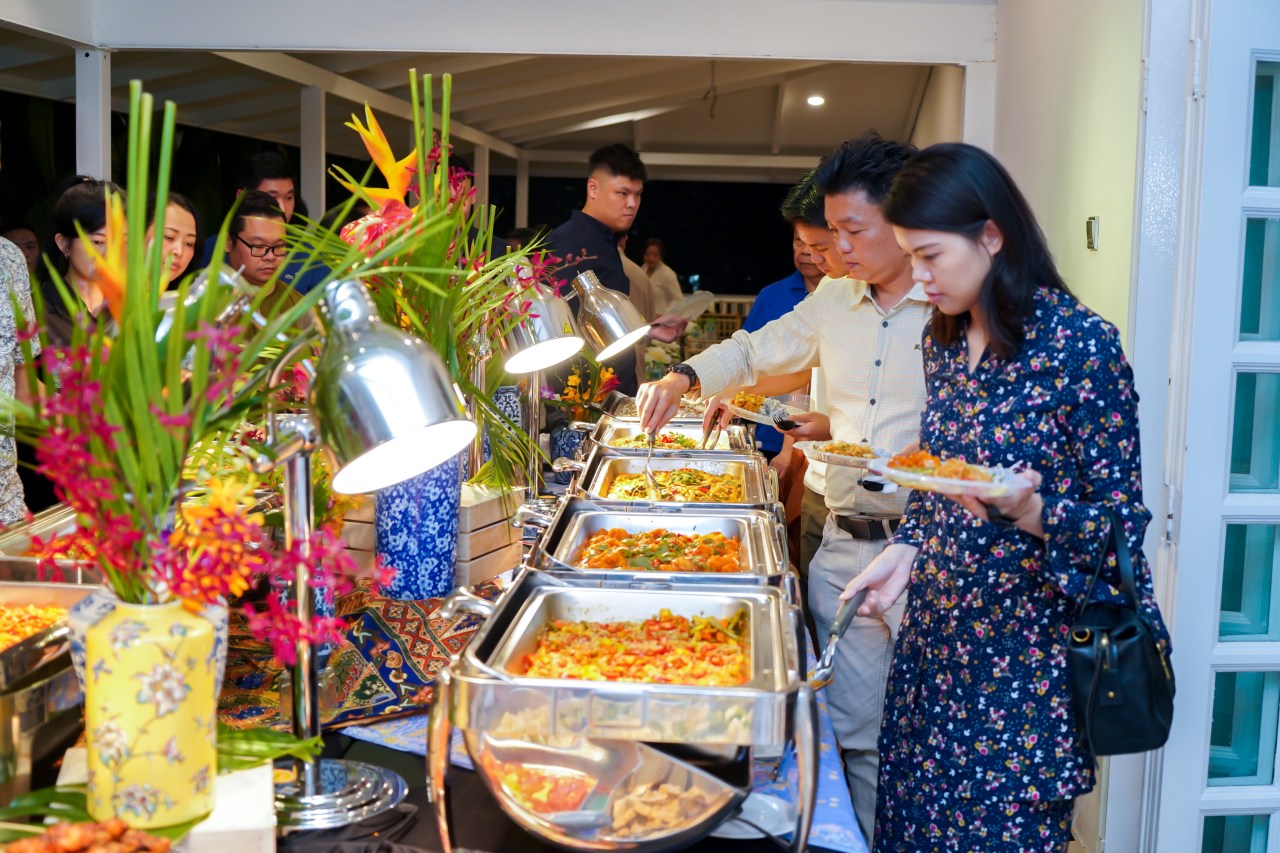
In addition, having enough staff is essential for a smooth buffet service. Hire experienced servers and chefs who can handle large crowds efficiently. Assign specific roles, such as food replenishment, clearing plates, and assisting guests. Adequate staffing ensures that the buffet remains well-stocked, clean, and organized throughout the event. Moreover, having a team leader can help coordinate efforts and address any issues quickly. This organization contributes to a seamless dining experience.
6: Create an Attractive Presentation
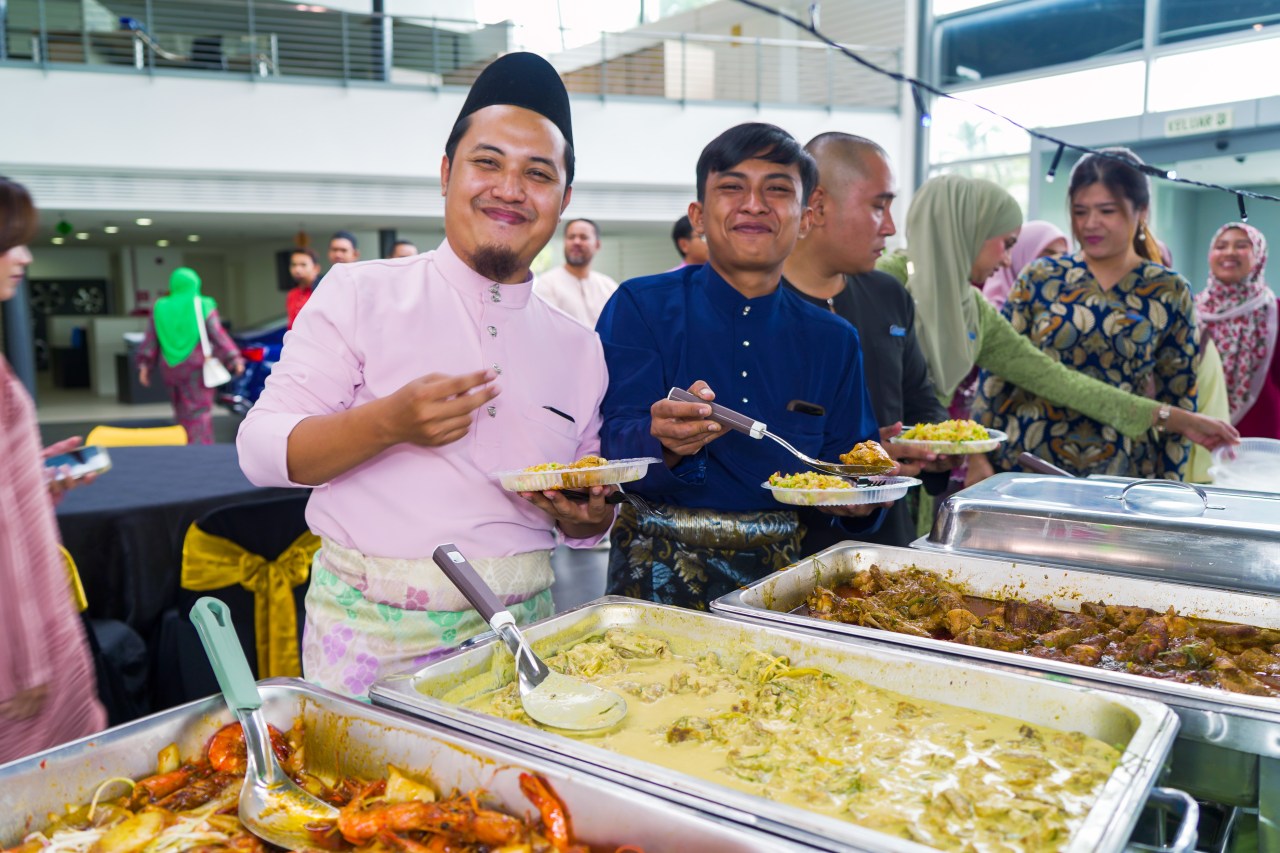
Moreover, an attractive buffet presentation enhances the dining experience. Use elegant serving dishes and utensils that match the event’s theme. Garnish dishes with fresh herbs or decorative elements to add visual appeal. Ensure the buffet table is clean and well-organized, with clear labels for each dish. A visually appealing buffet encourages guests to try a variety of dishes. Additionally, consider the height and arrangement of dishes to create an inviting display. This attention to detail makes a significant impact on guests’ perceptions.
7: Plan for Dietary Restrictions
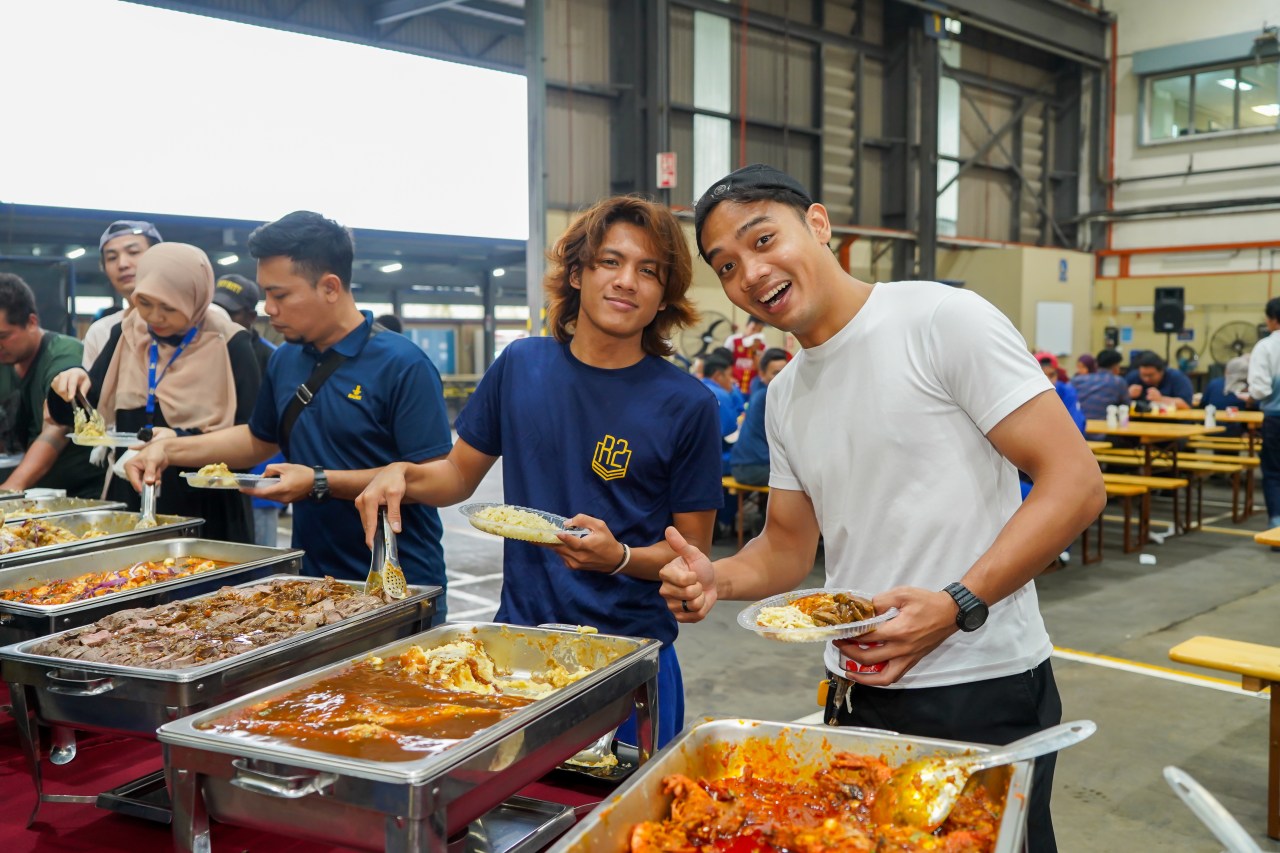
Furthermore, being proactive about dietary restrictions is crucial. Start by asking guests to specify any dietary needs in advance. This early information helps you prepare better. Clearly label all dishes to avoid confusion. Indicate which ones are vegetarian, vegan, gluten-free, or contain common allergens. Such clear labeling is essential for guests with specific dietary needs. Offering a variety of options ensures that all guests can enjoy the meal without worry. Additionally, train your staff to be knowledgeable about the ingredients in each dish.
This training helps them address any guest questions or concerns effectively. Make sure staff can confidently explain what each dish contains. This practice prevents any misunderstandings or potential health risks. By doing so, you demonstrate a commitment to inclusivity. Guest satisfaction is paramount, and accommodating dietary needs is part of that. Ensuring everyone can eat comfortably makes your event more enjoyable. It also shows your dedication to thoughtful and inclusive service. Such attention to detail is appreciated by guests and enhances their experience.
8: Manage Waste Effectively
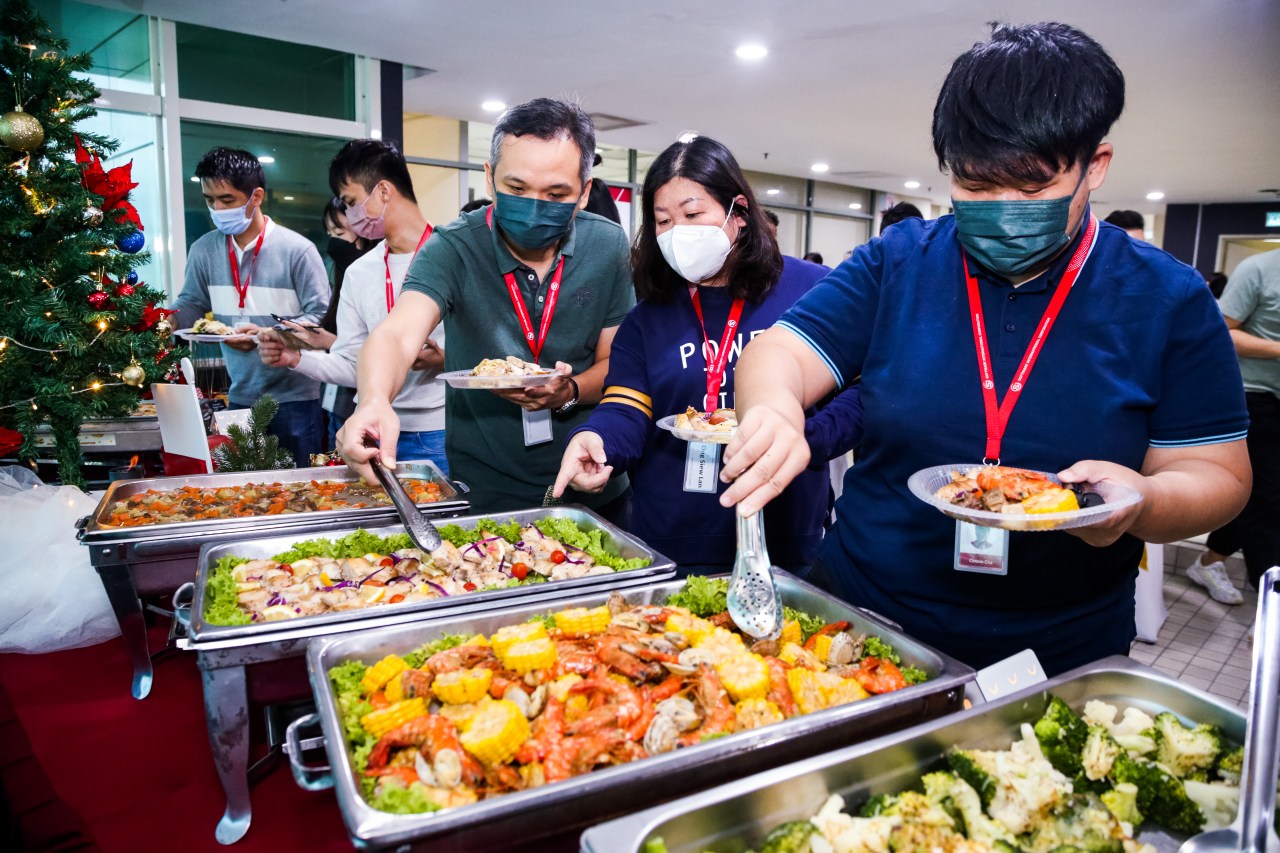
Effective waste management is crucial for large gatherings. Provide clearly marked bins for recyclables, compostables, and trash. Consider using biodegradable or recyclable serving ware and utensils to minimize environmental impact. Train staff to manage waste efficiently and keep the buffet area clean. Moreover, plan for the collection and proper disposal of leftover food. This not only keeps the venue tidy but also promotes sustainability. By implementing these practices, you contribute to a more eco-friendly event.
9: Gather Feedback and Learn
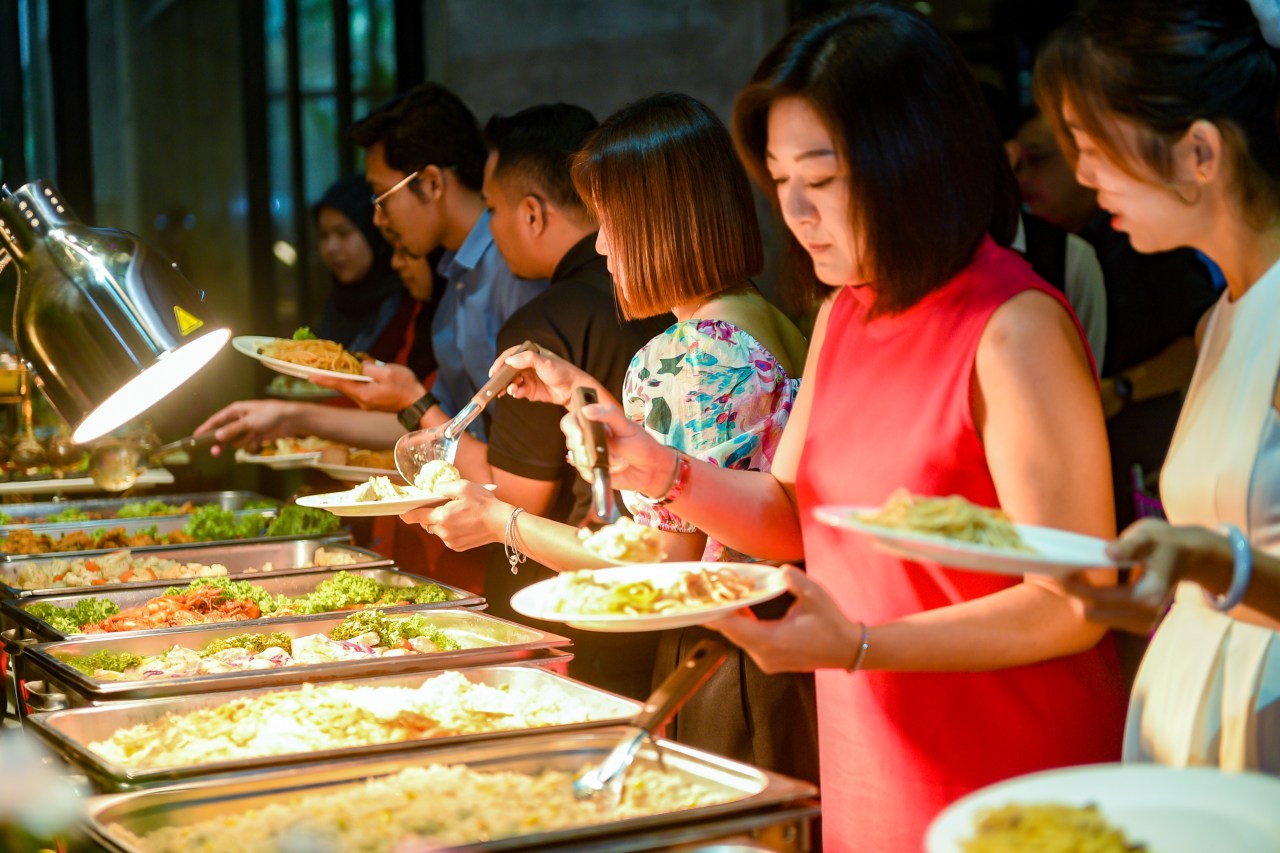
Lastly, after the event, gather feedback from guests and staff to understand what went well and what could be improved. This feedback is invaluable for learning and preparing for future events. Continuous improvement ensures that you become better at handling large gatherings over time. Reflecting on each experience and implementing lessons learned helps you develop strategies that make you more adept at managing large events. Moreover, staying open to new ideas and techniques keeps your catering service innovative and responsive to client needs.

In conclusion, buffet catering for large gatherings requires careful planning, attention to detail, and effective execution. By following these tips, you can ensure a successful event that delights your guests and showcases your catering skills. Whether it’s a corporate event, wedding, or large family gathering, a well-executed buffet can make your event memorable and enjoyable for all.
Click here to know about Runningmen Catering
By implementing these strategies, you can confidently cater to large gatherings and provide an exceptional dining experience for your guests.
Discover more from RunningMen Catering
Subscribe now to keep reading and get access to the full archive.
Continue reading
WhatsApp us
Welcome to RunningMen Catering
Sign up to receive updates, special offers, and more!
No thanks, I’m not interested!